Walls Prepared for Seamless Finishing
Drywall Installation and Repair in University Place for damaged walls, renovation openings, and surfaces that require smooth transitions before painting
Cracks along seams, holes from removed fixtures, water-damaged sections, and openings cut for remodeling leave walls with irregular surfaces that show through paint and disrupt the appearance of finished rooms. Drywall installation and repair restores smooth, even surfaces by replacing damaged sections, taping and mudding seams, and sanding transitions until they blend invisibly with surrounding areas. Iron Bear LLC handles drywall work as part of remodeling projects and as standalone repair to prepare walls and ceilings for interior painting.
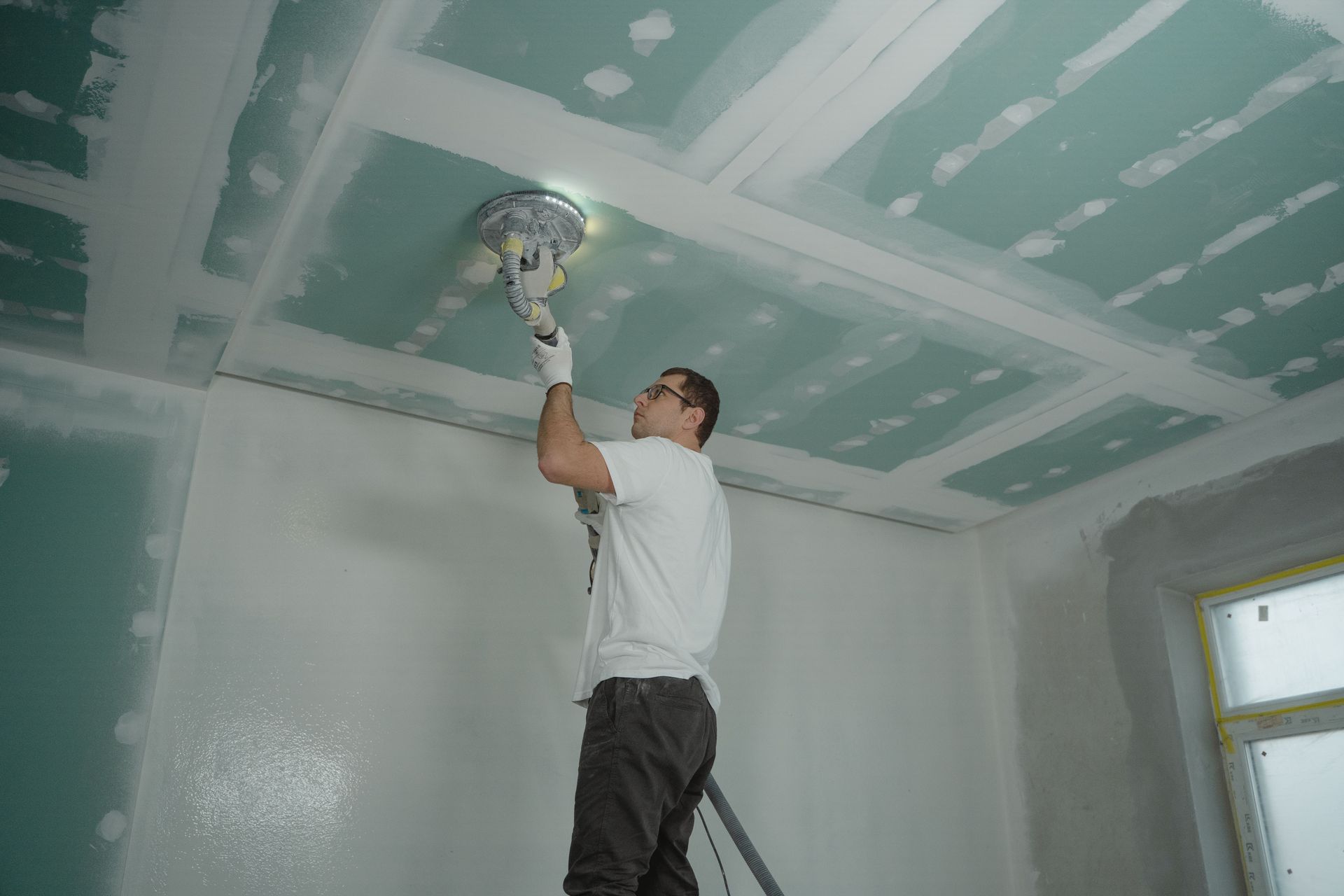
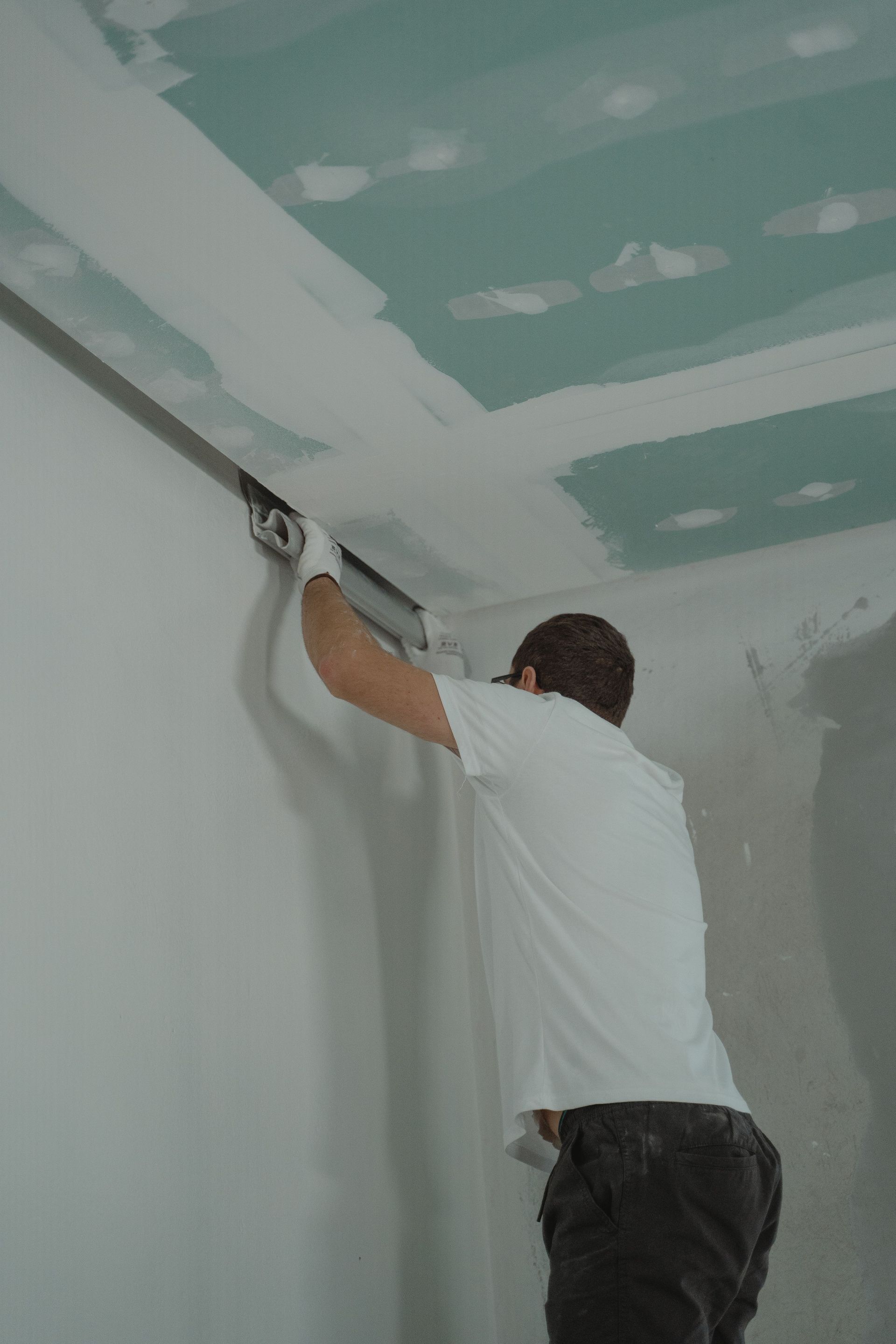
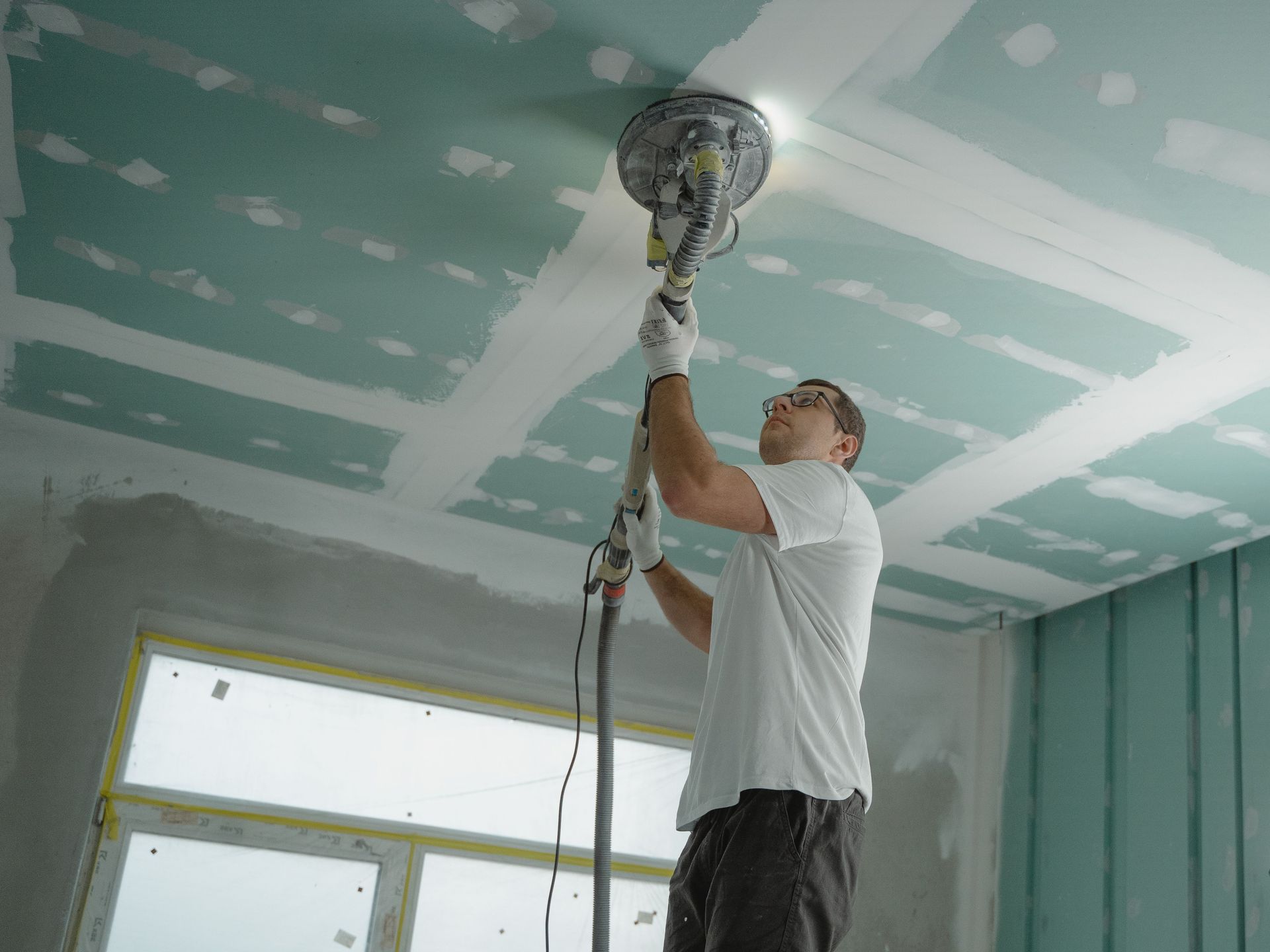
Drywall repair involves cutting out damaged material back to solid framing, installing backing where studs are not positioned for fastening, securing new drywall with screws driven flush to the surface, applying joint tape over seams, spreading multiple coats of joint compound with progressively wider blades, and sanding smooth without creating low spots or ridges. Proper technique leaves no visible evidence of the repair after priming and painting.
Schedule a free estimate to assess wall and ceiling damage and discuss preparation requirements for painting.
What Smooth Drywall Transitions Require
Creating invisible drywall repairs depends on feathering joint compound far beyond the actual seam or patch so the transition from new to old surface occurs gradually rather than at a visible edge. Each coat of compound extends wider than the previous layer and is sanded to remove trowel marks, high spots, and texture differences. Licensed and insured service ensures the work meets building standards for fire-rated assemblies, moisture-resistant materials in bathrooms, and proper fastening to framing.
Once drywall work is complete and surfaces are primed, you see walls without visible seams, patches, or texture changes, even under angled light that highlights imperfections. Painted surfaces appear uniform without shadows or color variations that indicate underlying repairs. Ceilings display consistent flatness without sagging or waves, and corners form sharp, straight lines where walls meet.
The number of joint compound coats and sanding passes depends on the size and location of the repair, the texture of surrounding surfaces, and the final finish planned. Small patches may require only two coats and light sanding, while large ceiling repairs or areas that will receive flat paint need additional coats and more extensive sanding to achieve invisible transitions. Textured walls may require matching spray or hand-applied texture before painting.
Answers to Frequent Drywall Questions
Drywall projects involve material selection, blending techniques, and preparation steps that determine how well repairs disappear after painting.
What causes drywall cracks and holes that require repair?
Cracks form along seams from settling, temperature changes, or inadequate taping during initial installation, while holes result from impact damage, removed fixtures, plumbing or electrical work, and water damage that softens the gypsum core.
How do you blend drywall repairs with existing wall texture in University Place homes?
Blending involves identifying the texture pattern, using spray equipment or hand tools to replicate the pattern on new drywall, allowing texture to dry fully, and priming before applying finish paint in the same sheen as surrounding areas.
What happens during drywall installation for renovation openings?
Installation includes measuring and cutting drywall to fit the opening, attaching it to framing with screws spaced according to code, taping all seams with paper or mesh tape, applying at least three coats of joint compound, sanding between coats, and priming before painting.
When should damaged drywall be replaced rather than patched?
Replacement is necessary when water damage has weakened the gypsum core, mold is present behind the surface, the damage extends across multiple stud bays, or the paper facing is torn extensively and will not hold compound.
What preparation is required before painting repaired drywall?
Repaired areas must be sanded smooth, wiped clean of dust, and primed with a product that seals the porous joint compound and prevents uneven paint absorption that would make the repair visible through the finish coat.
Iron Bear LLC provides drywall installation and repair backed by residential remodeling experience, licensed and insured service, and careful workmanship that produces smooth surfaces ready for finishing. Arrange a free estimate to review wall and ceiling repair needs and connect drywall work with your interior painting plans.